+86-571-22917799




 英語
 简体中文
 陶芸
 español
There is a moment in almost every factory visit when a buyer unrolls a length of PVC coated Oxford fabric on the cutting table, presses a thumbnail into the coating and asks, "Is this the 600D we talked about?" The answer is rarely simple. The base cloth may be identical to the last shipment, yet the coating weight, the plasticizer package or the surface finish can make the roll feel like a different material altogether. Having spent more than two decades weaving and coating polyester Oxford in Hangzhou, we have learned that most misunderstandings around this fabric are specification problems, not quality problems. This guide is our attempt to put the details in one place, in plain language.
What PVC Coated Oxford Fabric Really Is
Oxford fabric is a woven polyester or nylon cloth, usually built in a plain or basket weave with a slightly raised, textured hand. The "D" number refers to the denier of the yarn: 300D is made from finer filaments, 1200D from much heavier ones. On its own, the greige cloth is only half the story. What turns it into PVC coated Oxford fabric is a layer of polyvinyl chloride paste applied to one or both sides, then cured in an oven so the plasticiser and resin form a continuous film bonded to the weave.
Two details matter more than most catalogues admit. First, the base yarn type: DTY polyester gives a softer, fuller hand, while FDY gives a smoother, brighter surface. Second, whether the PVC is a true coating or a laminated backing. Coated fabric has the PVC pressed into the weave; laminated fabric has a pre-formed film glued on. Both are legitimate, but they behave differently in welding, folding and abrasion, so the same "600D PVC" label can hide a wide gap in performance.
| Base denier | PVC per side (g/m²) | Finished weight (g/m²) | Hand | Common uses |
|---|---|---|---|---|
| 300D | 60–120 | 180–280 | Softer, drapes well | Light bags, pouches, liners |
| 420D | 80–150 | 220–340 | Balanced | Backpacks, duffels, pet products |
| 600D | 100–200 | 280–450 | Firm and structured | Luggage, tool bags, covers |
| 900D–1000D | 150–250 | 400–600 | Stiff, heavy | Tarps, marine, industrial |
| 1200D | 180–300 | 500–700 | Very stiff | Truck tarps, structural covers |
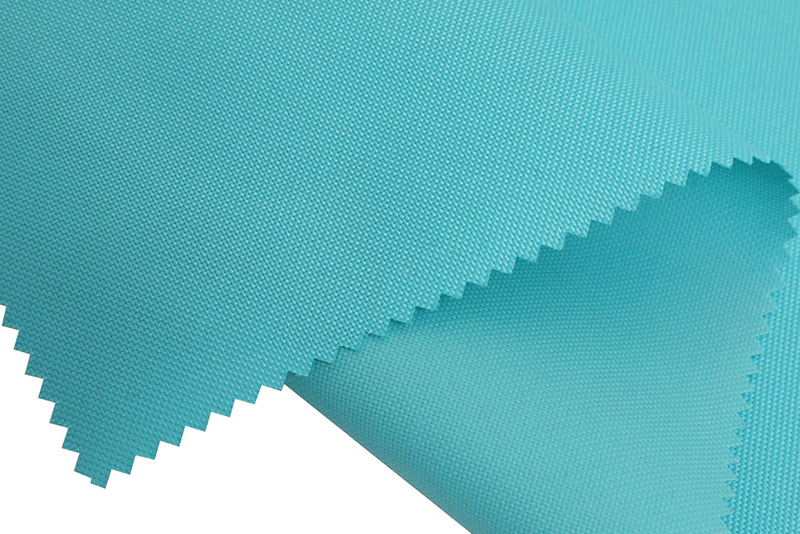
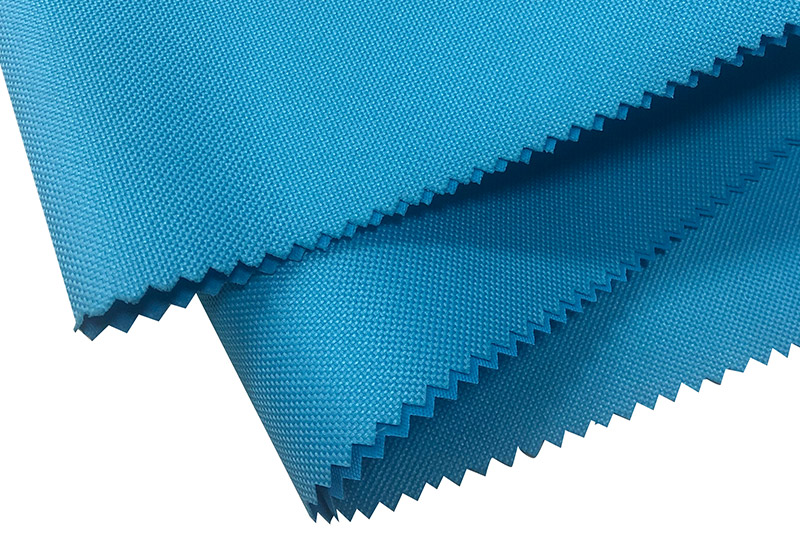
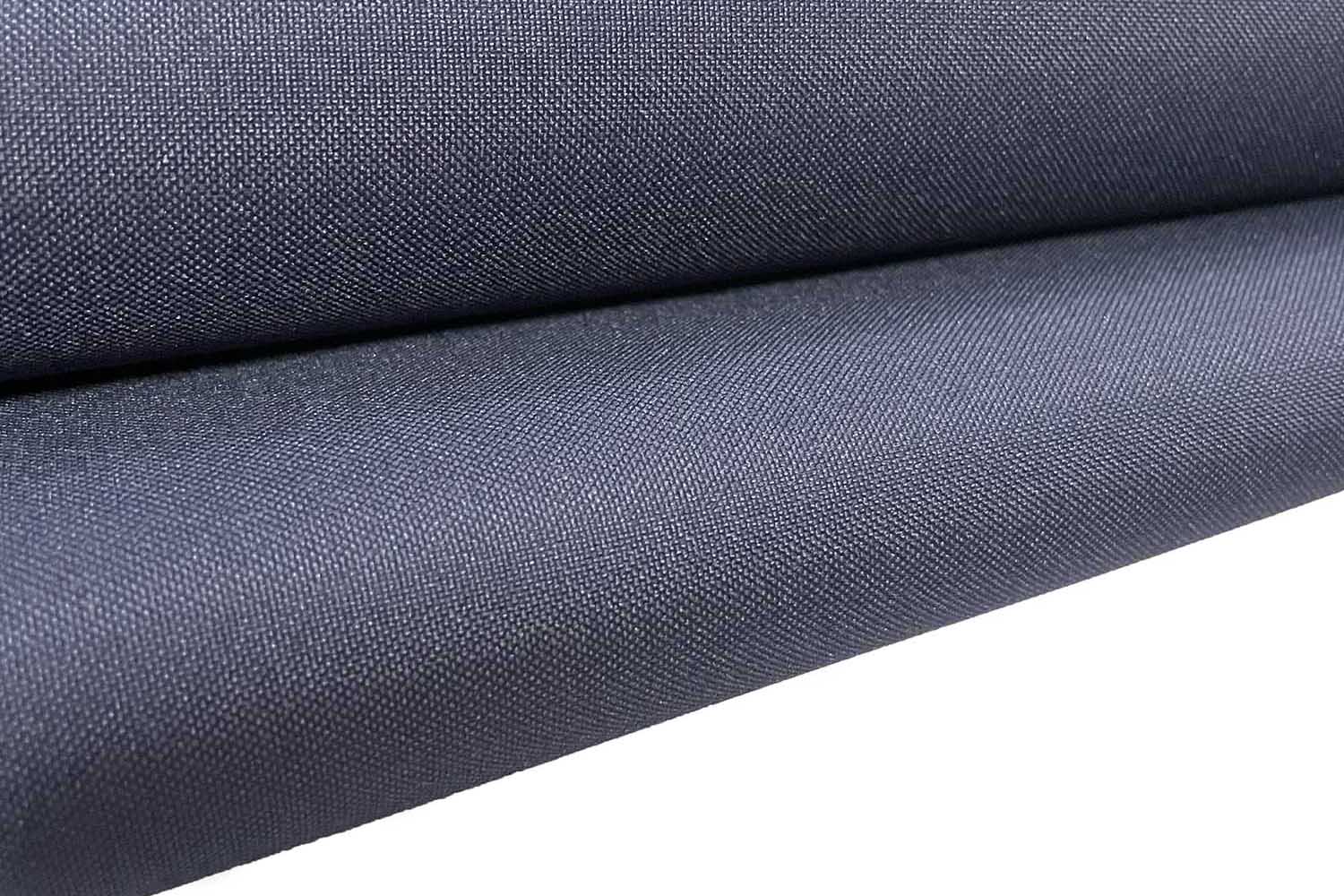 300D PVC-Coated Oxford Fabric for Bags and CoversPVC-coated 300D polyester Oxford at 415gsm, suited to bags, tents, chairs and covers where a continuous coated barrier is needed.View Product →
Why PVC Still Makes Sense
PVC has a reputation problem in some markets, and we understand why. It is not breathable, it is not lightweight, and its plasticiser content deserves scrutiny. But when a bag has to sit on a wet dock for a week or a cover has to survive a coastal winter, the material still earns its place. The coating forms a genuinely continuous barrier, so hydrostatic resistance is generally higher than a light PU finish at the same cost. It also resists abrasion and flex cracking well, holds a fold, and can be high-frequency welded rather than stitched, which removes needle holes from the waterproofing equation.
Cost is part of the story, but not the whole story. PVC is dense and inexpensive relative to its performance, which is why it dominates luggage bottoms, tarpaulins and utility covers. The trade-offs are real: added weight, a stiffer hand, limited breathability, and a tendency to firm up in cold weather depending on the plasticiser system. If you need a soft, packable, breathable shell, this is probably not the right coating. If you need a robust, weldable, easy-clean barrier, it very often is. Buyers who need a lighter waterproof option sometimes compare it against our waterproof Oxford fabric range before deciding.
Where It Performs Best
Bags, Luggage and Tool Carriers
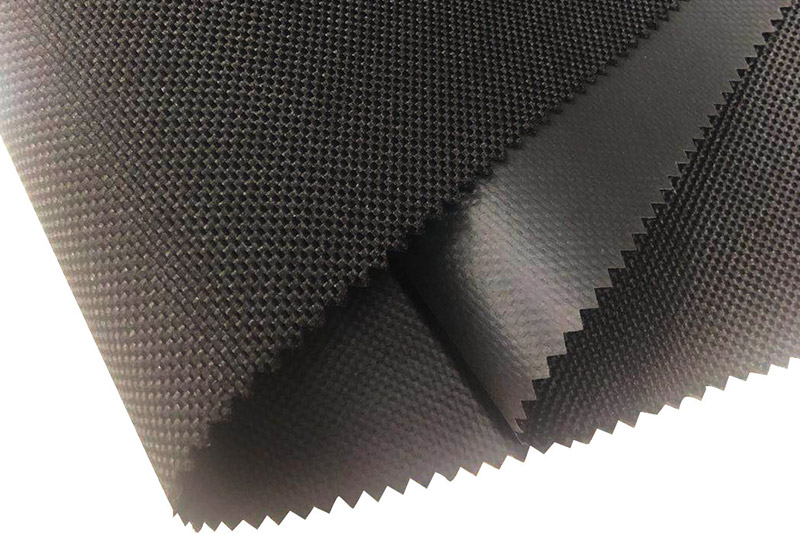
The bottom panel of a suitcase or the base of a tool bag takes the worst punishment: wet floors, rough concrete, repeated dragging. A 600D base with a solid PVC coating handles that without the extra cost of a full laminate. We supply a good deal of PVC-backed luggage fabric for exactly this reason, usually with a matte or lightly embossed surface so the finished bag does not look like a tarpaulin.
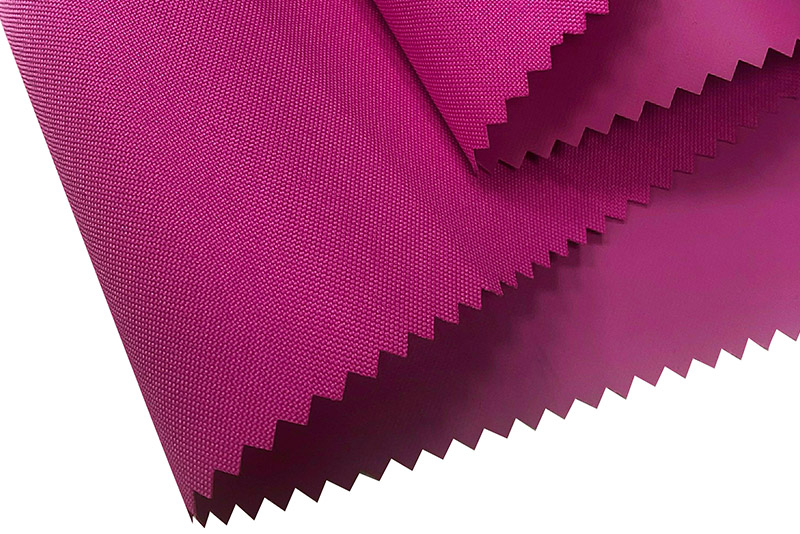
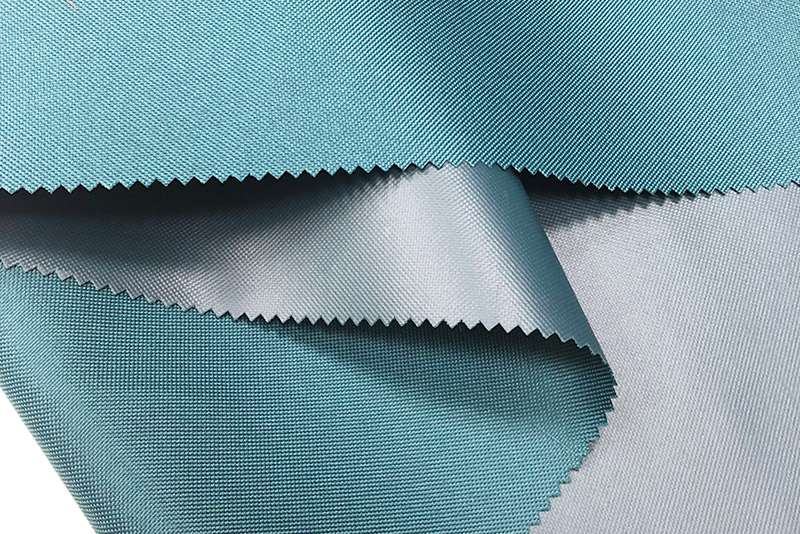
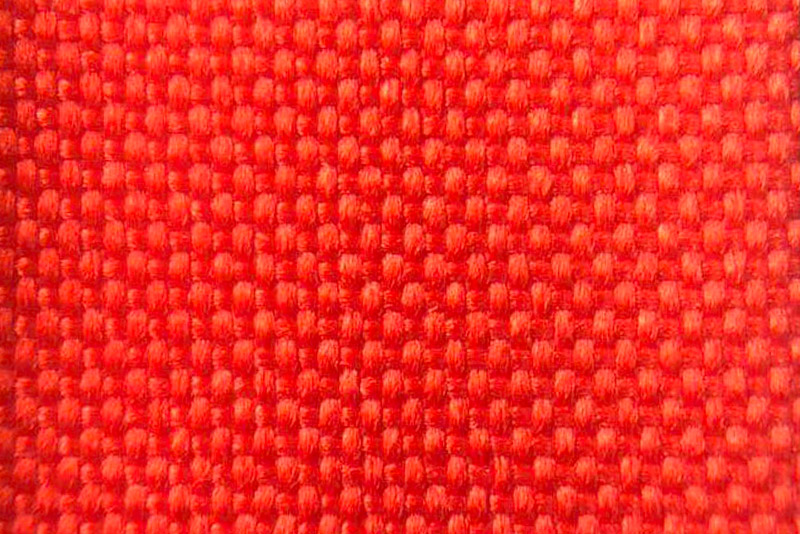 1000D PVC-Backed Polyester Oxford Fabric1000D polyester Oxford with PVC backing at 425gsm, suited to bags, backpacks, tents, chairs and outdoor furniture covers that need a heavy coated cloth.View Product →
Covers, Tarps and Marine Textiles
Patio furniture covers, boat covers, machinery tarps and truck side curtains all rely on the same combination: a heavy base cloth, a thick coating and welded seams. Here the fabric is often 900D to 1200D, with UV stabilisers and, where specified, flame retardants. Surface finish matters too, since a glossy coating sheds water faster but shows scuffs more readily than a matte one.
Specialty and Industrial Uses
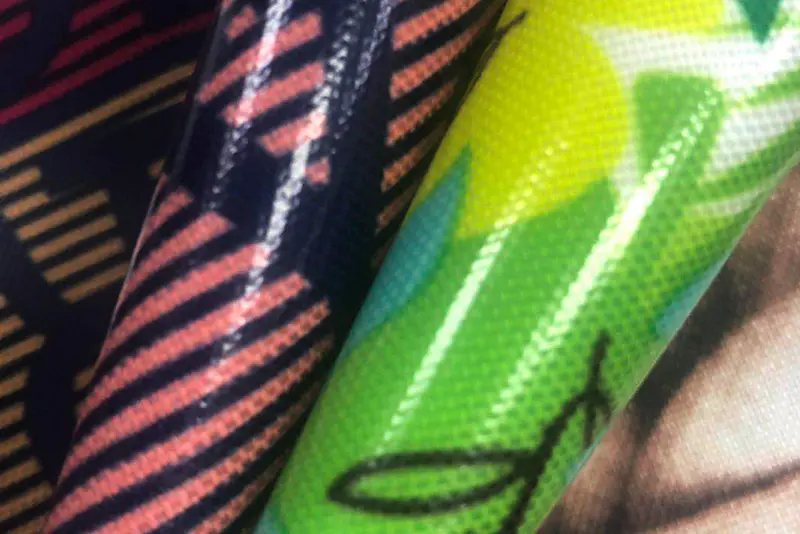
PVC coating can carry anti-static, anti-mildew or flame-retardant additives, and it accepts printing and embossing well. That makes it useful for medical equipment covers, industrial curtains, pet mats and promotional bags. It is also a common choice for screen printing and digital print preparation, provided the coating is formulated to accept ink without blocking.
A Practical Specification Checklist
When a buyer sends us a reference sample, we usually walk through the same list. Getting these points agreed in writing before the first bulk roll saves a great deal of time later.
- Base yarn and denier. DTY or FDY, 300D through 1200D, and whether the warp and weft are the same count.
- Weave structure. Plain weave is the default; twill, ripstop, dobby and jacquard change both appearance and tear behaviour.
- Coating weight per side. State it in g/m², not as "medium" or "heavy", and say whether one side or both sides are coated.
- Adhesion. A coating that peels at the fold will fail in the field, so ask how adhesion is tested and what value is guaranteed.
- Surface finish. Glossy, matte, embossed, or printed, including the pattern repeat and colour reference.
- Performance additives. UV stabiliser, flame retardant, anti-static, anti-mildew or phthalate-free formulation, with the standard to be met.
- Cold flexibility. Important for outdoor covers and cold-climate luggage; specify the temperature and the test method.
- Roll dimensions and packing. Width, length, core size, join allowance and bagging, particularly for automated cutting lines.
- Compliance documents. REACH, phthalate limits, heavy metals and any buyer-specific restricted substance list.
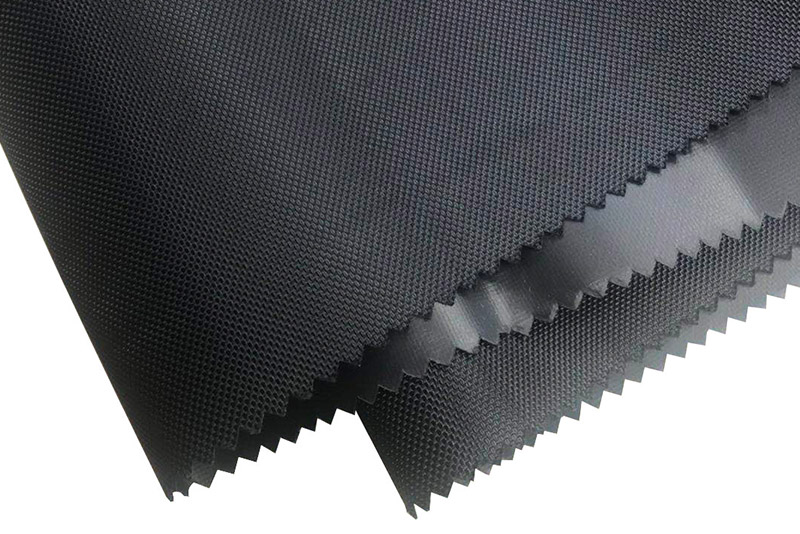
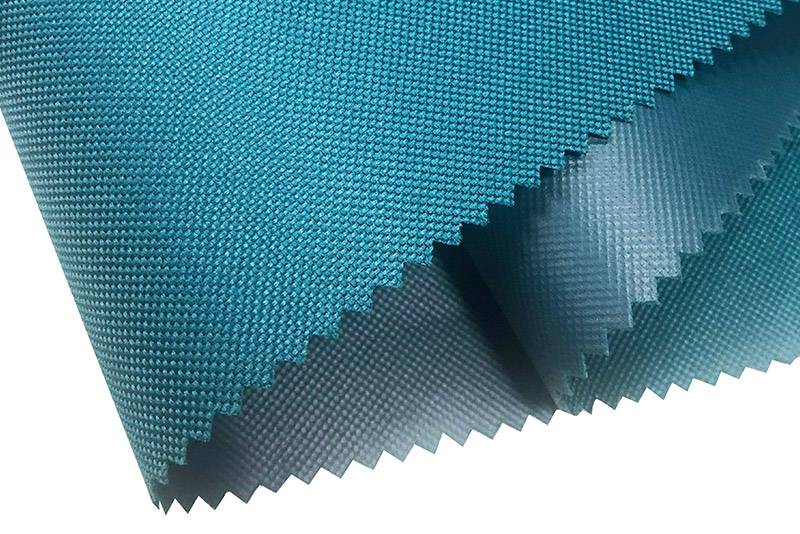
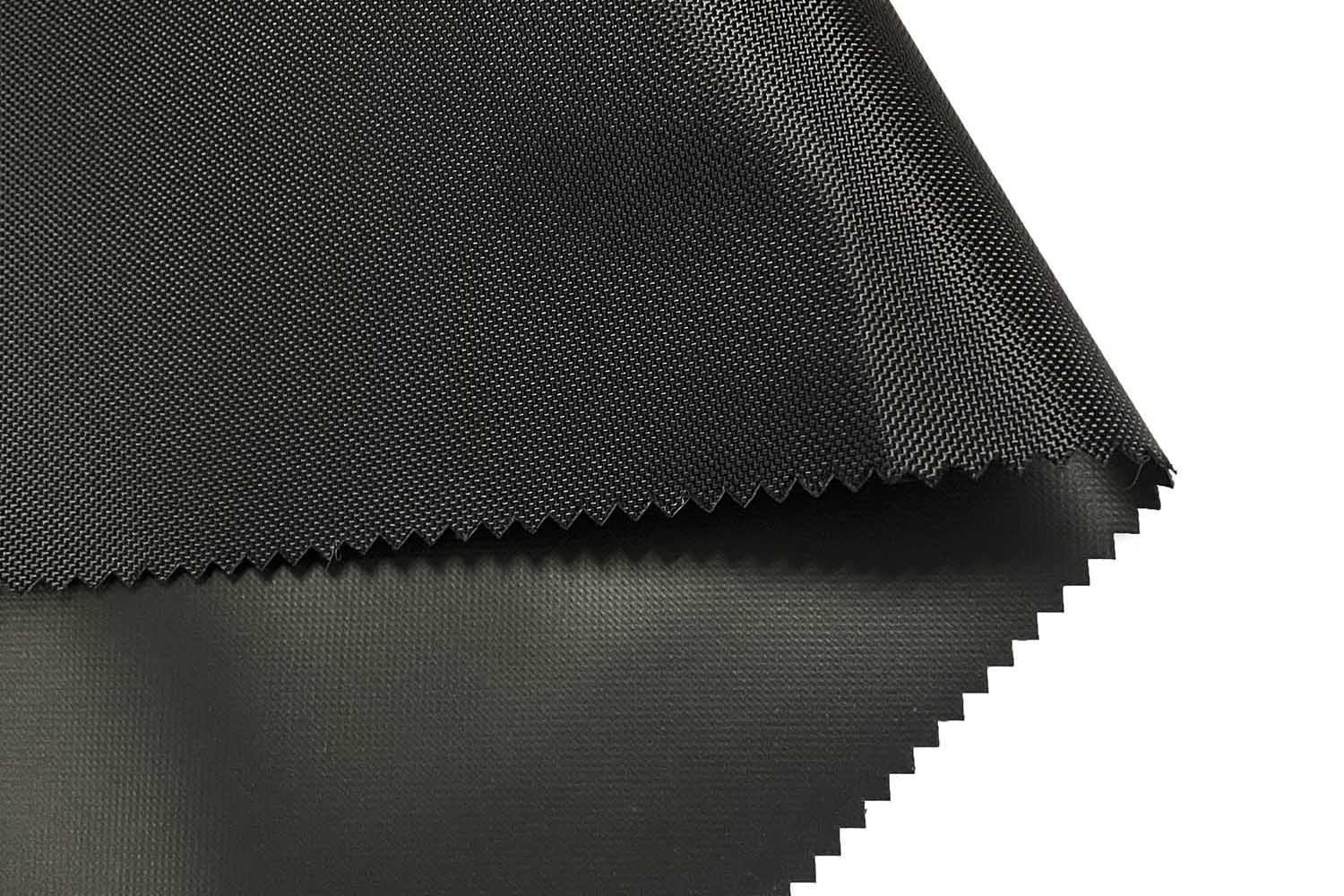 840D PVC-Coated Polyester Oxford Fabric840D polyester Oxford with PVC coating at 455gsm and custom color, meeting REACH, ROHS and EN71-3 for bags, tents, chairs and covers.View Product →
What We Check Before the Container Leaves
Specifications only mean something if they survive production. In our experience, the useful pre-shipment checks for PVC coated Oxford fabric are straightforward and easy to witness.
- Visual inspection for coating skips, pinholes, colour shading and weave defects under standard lighting.
- Coating adhesion by fold and peel, sampled from the head, middle and tail of each lot.
- Hydrostatic resistance on a representative swatch, especially where the fabric will be welded rather than sewn.
- Abrasion and tear testing when the end use is luggage, tarps or marine covers.
- Cold-fold behaviour for outdoor products, plus colourfastness checks if the roll will be exposed to sunlight.
- Weight and width verification per roll, with a retained record so a claim can be traced back to the lot.
None of this replaces a proper third-party test report, but it does catch the everyday drift that causes returns: a coating a few grams light, a shade that shifted half a step, or a roll that was wound too tight and picked up pressure marks.
Handling, Storage and the End of the Roll
PVC coated fabric is tough but not indestructible. Clean it with mild soap and water rather than solvents, which can draw plasticiser out of the film and leave the surface tacky. Dry it fully before folding, and never store it wet; trapped moisture between coated surfaces is the fastest route to mildew and a musty smell that no amount of wiping will fix. Rolls should stand upright on their cores in a dry, ventilated space, away from direct sun and sharp edges. For long storage, avoid hard creases in the same position for months at a time.
End-of-life is the honest weak point. PVC is not widely recycled in most municipal streams, and a coated fabric is harder to separate than a single-polymer cloth. Buyers under sustainability pressure sometimes move the base cloth to recycled polyester while keeping a thinner PVC layer, which reduces virgin material use but does not solve the coating question. We are always glad to talk through those trade-offs rather than pretend they do not exist.
If you are weighing a PVC coated Oxford fabric for a new bag line, a cover programme or an industrial order, the most useful thing you can send us is a sample and a short brief: what the product does, where it goes, and what has failed before. Those three answers usually tell us more than a page of specifications. We have been weaving and coating polyester Oxford in Hangzhou since 2002, close to Ningbo and Shanghai ports, and we are happy to share what we have learned, whether or not it leads to an order.

 Tel: +86-571-22917799
 Fax: +86-571-82799678
 電子メール:
 追加:No.88 Yinxin Rd。、Yaqian Town、Hangzhou City、Zhijiang、China。